Commercial Tile Flooring: A Comprehensive Guide
Importance and Advantages of Commercial Tile Flooring
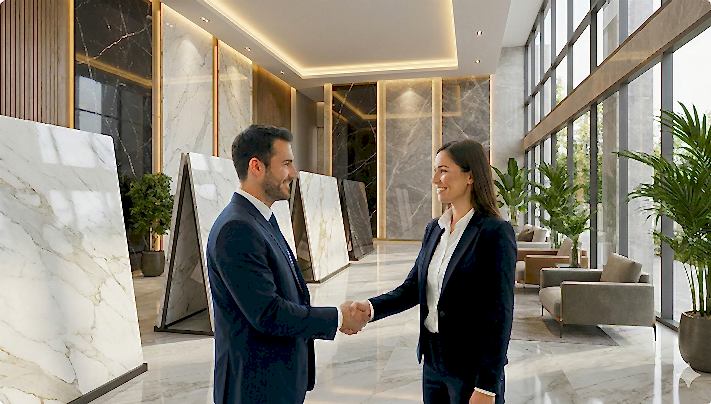
Tureks also offers premium natural stone flooring options that combine strength, luxury, and timeless design for high-end commercial interiors.
Commercial tile flooring plays a critical role in the design and functionality of modern business spaces. Unlike residential flooring, it is built to endure high traffic, frequent cleaning, and environmental challenges without sacrificing aesthetics. It offers a blend of practicality and design flexibility, making it a preferred choice in a wide range of industries.
Key advantages include:
- Outstanding durability
- Easy and low-cost maintenance
- Safety through slip-resistant surfaces
- A wide range of design options
- Environmentally responsible materials
Durability and Longevity
Durability is the cornerstone of commercial tile flooring. Tiles used in these spaces are manufactured with higher density, better surface resistance, and stronger backing materials. This ensures they can handle constant foot traffic, wheeled equipment, and heavy furniture without cracking or fading.
Porcelain tiles, for instance, are known for their strength and long lifespan. Natural stone tiles like marble or granite, when properly sealed and maintained, offer not only durability but also timeless elegance.
Easy Maintenance and Cleaning
In high-traffic commercial spaces, easy cleaning and maintenance are essential. Tile flooring is naturally resistant to stains, dust, and moisture. Most commercial tiles require only regular sweeping and occasional mopping with mild cleaning agents.
The non-porous surface of porcelain and certain ceramics prevents dirt and grime from penetrating the tile, reducing the risk of bacteria buildup. This makes tile an ideal flooring option for hospitals, restaurants, and educational institutions.
Slip Resistance and Safety
Safety is a top priority in commercial environments. Wet or greasy floors can lead to accidents, especially in entryways, kitchens, and bathrooms. Many commercial tile options feature textured or matte surfaces that improve traction underfoot.
When choosing commercial tile flooring, it is important to check for slip-resistance ratings. Tureks offers several tile collections tested for high DCOF (Dynamic Coefficient of Friction) values, helping designers meet strict safety regulations while maintaining visual appeal.
Aesthetic Variety and Design Flexibility
Commercial tiles are available in a wide array of styles, colors, textures, and sizes. This allows designers to align flooring choices with brand identity, customer experience goals, and architectural themes.
Whether aiming for a modern, minimalist look or a luxurious ambiance, commercial tiles provide the flexibility to achieve the desired result. Options like wood-look porcelain, concrete-effect tiles, or patterned mosaics help bring creative visions to life in hotels, offices, showrooms, and more.
Environmentally Friendly Options and Sustainability
Sustainability has become a priority in commercial construction. Many tile manufacturers, including Tureks, now offer eco-friendly products made with recycled materials and low-emission processes.
Porcelain and ceramic tiles have a long lifecycle, reducing the frequency of replacement and minimizing landfill waste. In addition, their thermal mass contributes to indoor temperature regulation, improving energy efficiency in buildings.
Look for certifications such as LEED, GreenGuard, and ISO 14001 to ensure compliance with green building standards.

Types of Commercial Tile Flooring
Ceramic Tiles
Ceramic tiles are a popular choice for light to moderate commercial use. They are affordable, easy to install, and available in a wide range of colors and styles. While not as strong as porcelain, glazed ceramic tiles offer excellent stain and moisture resistance.
Porcelain Tiles
Porcelain tiles are dense, durable, and highly resistant to water and impact. Ideal for heavy-duty applications, they perform exceptionally well in shopping malls, airports, and industrial facilities. Their versatility in design also makes them suitable for high-end commercial interiors.
Luxury Vinyl Tiles (LVT)
LVT combines the aesthetic appeal of natural materials with the durability of synthetic flooring. It is softer underfoot than ceramic or stone and offers excellent sound absorption. LVT is also resistant to scratches, dents, and moisture, making it ideal for offices, retail spaces, and healthcare settings.
Vinyl Composition Tiles (VCT)
VCT is a budget-friendly option commonly used in schools and public buildings. Though less decorative, it is extremely resilient and easy to replace. VCT tiles often require regular waxing and polishing to maintain their appearance and durability.
Natural Stone Tiles
Marble, granite, travertine, and other natural stones bring unmatched elegance and prestige to commercial interiors. These tiles are ideal for luxury hotels, corporate headquarters, and upscale retail environments. Proper sealing and maintenance are essential to preserve their beauty and performance.

Commercial Tile Flooring Applications
Offices and Corporate Spaces
In office environments, tile flooring enhances professionalism while ensuring durability and comfort. Neutral tones and large-format tiles help create open, airy workspaces.
Retail Stores and Shopping Malls
Tiles used in retail settings must balance durability with visual appeal. Eye-catching designs can influence consumer behavior and complement the store’s branding.
Restaurants and Hotels
Commercial-grade tiles in restaurants and hotels must handle spills, stains, and high foot traffic. Anti-slip surfaces, elegant finishes, and easy-clean properties are key factors.
Healthcare Facilities and Schools
Hygiene, durability, and safety are top priorities in healthcare and education. Porcelain tiles and LVT are preferred for their resistance to chemicals, ease of cleaning, and long-term performance.
Industrial and High-Traffic Areas
Industrial settings demand tiles that can withstand extreme wear, heavy equipment, and exposure to chemicals. Porcelain and specialty tiles designed for abrasion and impact resistance are commonly used in these environments.

Considerations When Choosing Tile Flooring
Traffic Density and Abrasion Resistance
Understanding the level of foot traffic is crucial. Areas with high usage require tiles with a high PEI rating to prevent surface wear.
Moisture Resistance and Waterproofing
In environments prone to spills or humidity, waterproof tiles are essential. Porcelain and LVT are excellent choices for moisture-prone areas.
Chemical Resistance
Certain commercial settings, such as labs and kitchens, expose floors to harsh chemicals. Choosing tiles with chemical resistance ensures long-term durability and safety.
Installation Cost and Long-Term Value
While some tile types may have higher upfront costs, their long lifespan and low maintenance needs often lead to better long-term value. Professional installation is key to maximizing durability.
Design and Brand Identity Alignment
Tiles should reflect the brand’s image. From luxury aesthetics in hospitality to minimalism in tech offices, the right tile enhances the overall customer and employee experience.

Frequently Asked Questions (FAQs)
What are the main differences between commercial and residential tile flooring?
Commercial tile flooring is engineered for higher durability, better slip resistance, and ease of maintenance. It is designed to handle heavy traffic, frequent cleaning, and demanding environments, whereas residential tiles focus more on comfort and personal style.
Which type of tile is most durable for commercial areas?
Porcelain tiles are considered the most durable for commercial use. They are dense, water-resistant, and highly resistant to scratches and stains. Natural stone tiles are also durable but require regular maintenance.
How is commercial tile flooring maintained?
Maintenance typically includes sweeping, damp mopping, and occasional deep cleaning. Some materials, like VCT, may require periodic waxing, while porcelain and ceramic need only minimal upkeep.
Why is slip resistance important in commercial tiles?
Slip resistance reduces the risk of accidents in workplaces and public areas. It is especially important in wet or high-traffic zones. Tiles with a textured surface or matte finish help improve traction.
How long does commercial tile flooring installation take?
Installation time varies based on the space size and tile type. Most commercial projects can be completed in a few days to a couple of weeks, including preparation and curing time.
What factors affect the cost of commercial tile flooring?
Factors include tile material, size of the area, subfloor condition, installation complexity, and design customization. While some options have higher initial costs, they may offer long-term savings through durability and reduced maintenance.
Are sustainable commercial tile flooring options available?
Yes. Many tile products today are made with recycled content and sustainable manufacturing practices. Certifications like LEED or GreenGuard help identify environmentally friendly options.
What can be done to extend the life of commercial tiles?
Regular cleaning, prompt spill removal, using floor protectors under furniture, and periodic resealing (for natural stone) help extend the lifespan of commercial tiles.
What certifications should I look for when choosing commercial tile flooring?
Look for certifications related to durability (PEI rating), slip resistance (DCOF or R-rating), sustainability (LEED, ISO 14001), and indoor air quality (GreenGuard or FloorScore)