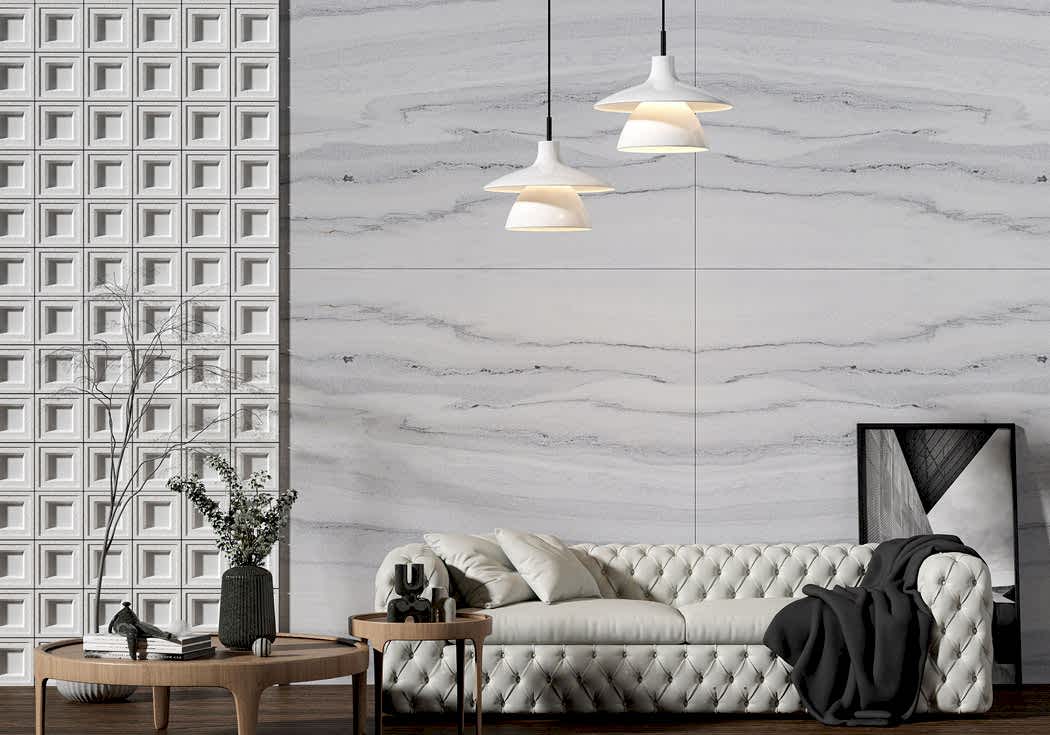
Bookmatched Slabs: The Art of Symmetry in Stone Design
Bookmatched slabs represent one of the most sophisticated design choices available for modern interiors, showcasing a unique collection of patterns that can elevate your home. This artful technique transforms natural materials like wood, quartzite, marble, and granite into breathtaking visual displays by creating perfect mirror images that showcase the inherent beauty of the stone.
The distinct veining and organic patterns found in natural stone provide the ideal canvas for this symmetry, turning raw geological formations into a harmonious masterpiece.
Whether you are renovating a kitchen, designing a luxury bathroom, or planning a statement feature wall, understanding this technique is crucial to make a suitable addition to your space. This guide explores the fundamentals of bookmatched surfaces, helping you move from a standard renovation to a truly curated architectural project.

What Is Bookmatching?
Bookmatching is a specialized fabrication technique where two adjoining slabs are cut from the same block of stone and opened like the pages of a book. Instead of sliding the slabs off the stack and installing them in a repetitive pattern, the faces are polished in opposition to one another.
This process creates a mirror-image effect along the seam, characteristic of bookmatching slabs. When working with stones that possess strong movement, such as quartzite or marble, the veining patterns reflect across this central axis, enhancing the overall appearance. The result is a continuous, symmetrical flow that transforms a raw material into a cohesive piece of art. While the technique originated in fine woodworking, it has become the gold standard for high-end stone countertops and vertical applications, especially with bookmatch designs.
Why Choose Bookmatched Surfaces?
Selecting bookmatched stone offers advantages that go beyond simple aesthetics. It is a deliberate design choice that impacts spatial perception and value.
Visual Continuity: The primary benefit is the creation of a seamless flow, which can elevate your home. In open-concept designs, the eye naturally follows the pattern, creating a sense of balance and harmony that disjointed slabs cannot achieve.
Unique Focal Points: Because no two blocks of natural stone are identical, a bookmatched installation is inherently one-of-a-kind. It serves as a conversation piece, much like a commissioned painting, and can highlight the quality of your space.
Material Efficiency and Consistency: Using sequential slabs from the same block ensures perfect color matching and tonal consistency, avoiding the jarring shifts often seen when mixing slabs from different bundles.

Best Materials for Bookmatching
While wood is a traditional medium for this technique, natural stone dominates modern architectural applications. Not all stones are created equal when it comes to symmetry.
Quartzite
Quartzite is often the superior choice for bookmatching due to its combination of durability and dramatic aesthetics, making it a top product in the collection. It rivals granite in hardness but creates the sweeping, bold veining typically associated with marble.
Marble
Marble offers timeless elegance. Classics like Calacatta and Statuario are historically significant for this application. The sharp, defined veining of these marbles creates the most distinct “Rorschach test” visual effects. However, marble requires more diligent maintenance than quartzite, making it a more expensive choice in the long run.
Granite
Granite is a practical option, though careful selection requires a discerning eye to highlight its quality. Varieties with uniform speckling do not benefit from bookmatching. You must select granite with “movement,” such as large waves or distinct color bands, to justify the technique.
Selecting the Right Slabs
The success of a bookmatched project relies entirely on the selection phase.
Seek “Movement”: Look for slabs with bold, directional veining. Subtle patterns often get lost and may not justify the extra cost of bookmatching.
Verify the Sequence of your bookmatching slabs: Ensure the slabs are sequentially numbered from the block. Even a gap of one or two slabs can disrupt the perfection of the mirror image.
Digital Pre-visualization: Request high-resolution layouts from your fabricator. Seeing a digital rendering of the seam placement is critical before cutting begins, especially when working with bookmatching slabs.

Key Applications
Where does this technique shine brightest?
Kitchen Islands: This is the most popular application. An expansive island allows the full size of the pattern to be displayed without interruption, making it a stunning addition to any kitchen.
Feature Walls & Fireplaces: Vertical installations effectively turn the stone into a mural, highlighting its unique patterns and quality. The symmetry draws the eye upward, emphasizing ceiling height and architectural volume, enhancing the overall style.
Luxury Bathrooms: Using bookmatched stone for shower walls or vanities creates a spa-like, immersive atmosphere that can elevate your home.
Cost and Considerations
It is important to approach this design choice with a realistic budget. Bookmatched installations are a premium investment for two main reasons:
Material Costs: You are often restricted to purchasing full slabs to ensure the sequence, which can increase waste compared to standard layouts.
Fabrication Complexity in achieving the perfect bookmatched appearance: The labor involved is significant. Fabricators must use advanced CAD software and precision cutting to ensure the veins align down to the millimeter, especially when working with one slab.
Despite the higher upfront cost, these installations significantly increase the perceived value of a property, signaling a level of luxury and attention to detail that standard finishes cannot match, making them a suitable addition for any homeowner.
Maintenance and Care
Preserving the symmetry of your surface requires consistent care, particularly for the seam where the image meets in this specialty technique.
Quartzite & Granite: Clean with mild soap and water. These products are robust against scratching but should be sealed annually to maintain their appearance.
Marble: Requires vigilance against acidic spills (citrus, wine) which can etch the surface. Use pH-neutral cleaners strictly to ensure the longevity and quality of your stone surfaces

Final Thoughts
Bookmatched slabs bridge the gap between architecture and art. Whether you prefer the modern drama of quartzite or the classic sophistication of marble, this technique creates a visual impact that defines a room. By working with experienced fabricators and selecting materials with the right character, you can create a centerpiece that remains timeless in style and elevates your home.